Rhetorical Situations:
What is rhetoric?
Well, some background:
Sparta versus Athens
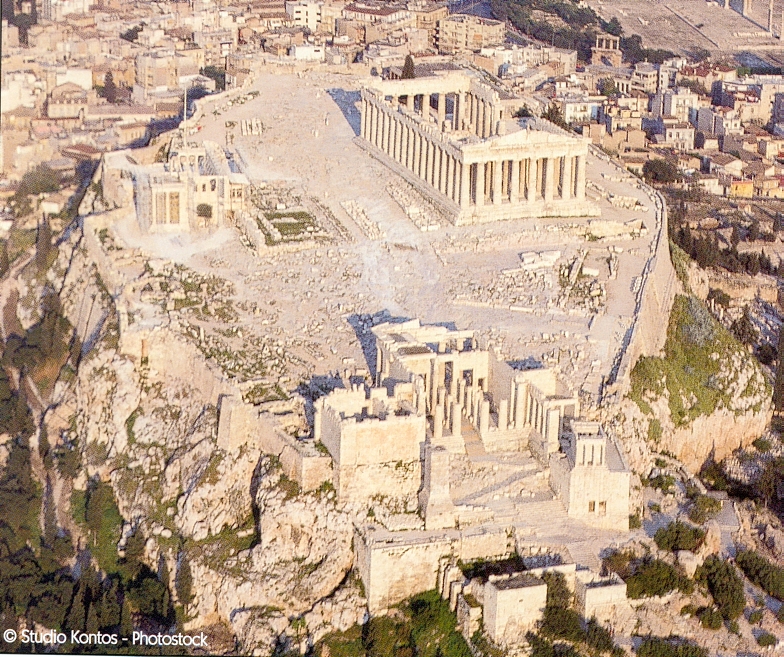
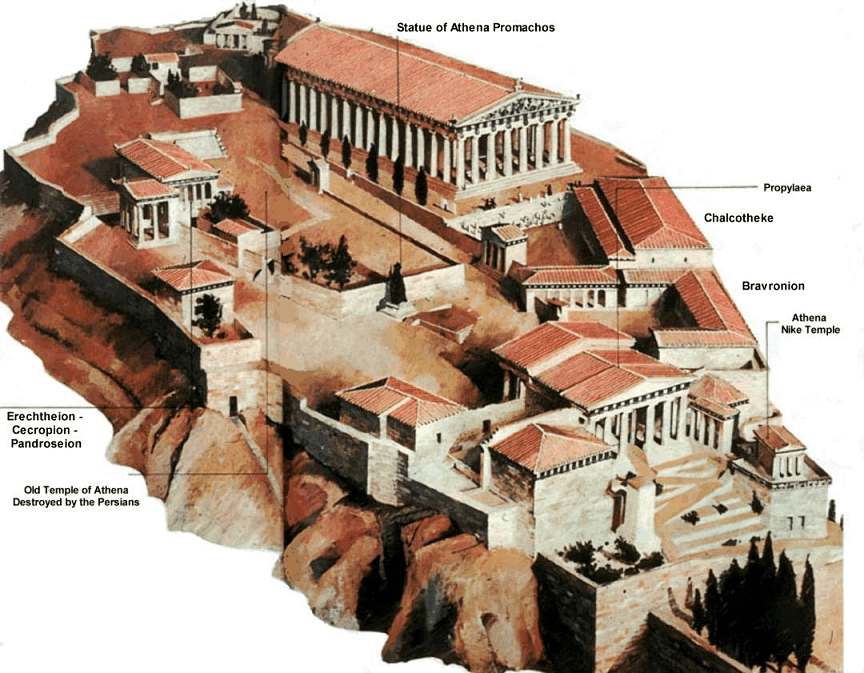
Athens now and then
Develop your own rhetorical triangle. We discuss.
Free write: Talk back to the graphic on page 48, relating it to the process of beginning your Observation paper. Feel free to critique its design as you respond to it.
Homework:
1. Bring your first draft of the Obs/Description paper to class tomorrow.
2. One vocabulary word.
Wednesday, July 21, 2010


Tuesday, July 20, 2010
College Writing Ev. Writer sec. 2
Freewrite: What are the characteristics of good writing? Can you come up with three things good writing must have? Do you have some favorite writers/writings that are examples of good writing?What have you written that you really liked?
In class you read pages 12-15 of the Ev. Wr.
We discuss Ex. 2.1.
Then you think about Ex. 2.2 and write or type at least a page for me in response to these questions.
Homework:
1.Read in the Everyday Writer pages 45 to the top of 53.
2. Continue to work on the first draft of your Observation/Description paper, due Thursday.
3. One vocabulary word in your journal.
In class you read pages 12-15 of the Ev. Wr.
We discuss Ex. 2.1.
Then you think about Ex. 2.2 and write or type at least a page for me in response to these questions.
Homework:
1.Read in the Everyday Writer pages 45 to the top of 53.
2. Continue to work on the first draft of your Observation/Description paper, due Thursday.
3. One vocabulary word in your journal.
Monday, July 19, 2010
The Iguana/Vocabulary/ Getting to Know the Everyday Writer
First of all, you look over Dinesen's "The Iguana." Form groups and annotate her use of the techniques for writing about observation.
Now we discuss the vocabulary section of your journal. From now on you need to add one vocabulary word for each day that class meets. For each entry:
1. List the word.
2. Quote a chunk of the context so we can tell how it was used.
3. Write your guess for what it means.
4. Copy the definition from a dictionary that matches that context.
For example:
1. impetuous
2. "the live impetuous blood pulsating"
3. not controlled?
4. forcibly rushing (OED)
Now do the handout that gets you in to The Everyday Writer.
Homework:
1. Finish the Everyday Writer worksheet and continue working on the first draft of your observation/description paper. Email any questions you have for me.
Now we discuss the vocabulary section of your journal. From now on you need to add one vocabulary word for each day that class meets. For each entry:
1. List the word.
2. Quote a chunk of the context so we can tell how it was used.
3. Write your guess for what it means.
4. Copy the definition from a dictionary that matches that context.
For example:
1. impetuous
2. "the live impetuous blood pulsating"
3. not controlled?
4. forcibly rushing (OED)
Now do the handout that gets you in to The Everyday Writer.
Homework:
1. Finish the Everyday Writer worksheet and continue working on the first draft of your observation/description paper. Email any questions you have for me.
Subscribe to:
Posts (Atom)